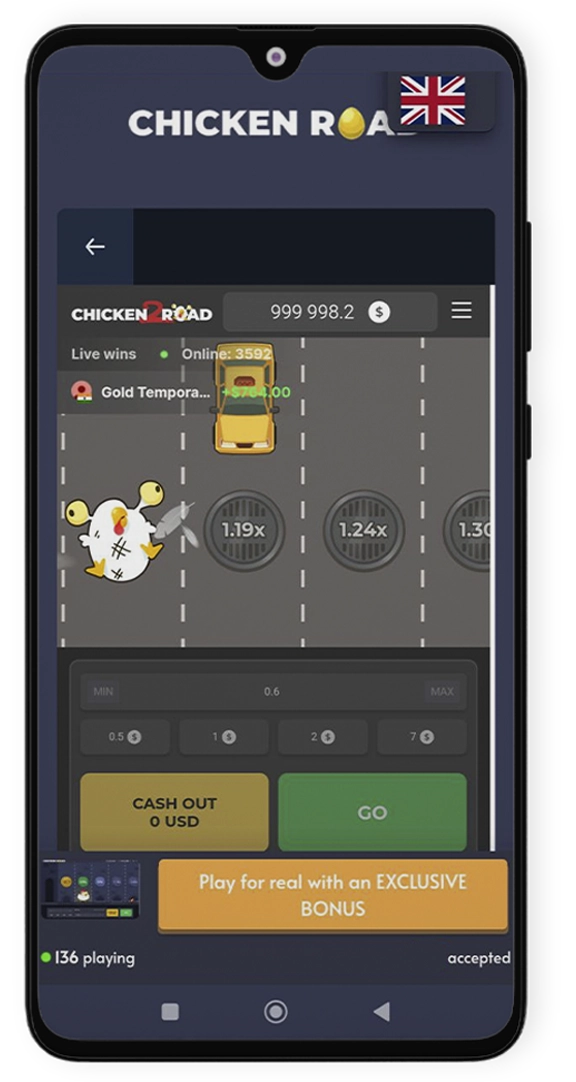
When analyzing the independent examination and third-party reviews of the Rabbit Road Game in the United Kingdom, we observe a blend of commendation and critique from various sources. While the instinctive controls and dynamic environments garner commendation, concerns about tempo and multiplayer interactions arise. These insights prompt us to question how the video game can evolve, especially regarding instructional and graphic enhancements. What do these assessments show about the game’s capacity for development?
Key Takeaways
- Independent examination approaches evaluate game mechanics dynamics and execution measures, ensuring uniformity in assessing Rabbit Road Game’s functionality.
- External reviews emphasize a engaging player experience, linking enjoyment to intuitive command systems and energetic environments.
- Mixed industry response indicates strengths in player abilities and visual attraction, along with noted weaknesses in pacing and multi-user features.
- Community feedback cycles could enhance video game features, as successful competitors demonstrate successful integration of player feedback into video game development.
- Regular upgrades and user interaction strategies are crucial for sustaining user engagement, as observed in rival titles with robust community engagement.
Overview of Rabbit Road Video Game
In the lively landscape of mobile gaming, Rabbit Road stands out as an captivating blend of strategy and excitement. We can see that the video game’s idea centers on navigating complex pathways while conquering challenges, which appeals to a diverse set of gamer demographics. Its blend of strategic thinking and engaging visuals attracts both informal and dedicated players, allowing for accessibility and depth alike.
Moreover, the application effectively enthralls participants of diverse ages, showing its wide appeal. By integrating features that encourage problem-solving without excessive simplicity, Rabbit Road develops a balanced play experience. This thoughtful design not only fulfills the informal gamer’s need for quick pleasure but also entices veteran tacticians to explore complex strategies, making it a remarkable contender in the portable gaming market.
Gameplay Mechanics and Features
While guiding through the lively worlds of Rabbit Road, gamers encounter a variety of fascinating play dynamics that enrich the whole journey. The game ingeniously integrates avatar skills that not only broaden gameplay styles but also influence how we navigate each level. As we move forward, we discover distinct capabilities that allow for planned troubleshooting and exploration, maintaining the play new and exciting.
Additionally, the phase design is carefully designed, encouraging both challenge and finding. Each level presents barriers that require us to use our player’s abilities creatively. The blend of these mechanics fosters a dynamic interplay between investigation and ability, making our journey through Rabbit Road both exciting and rewarding. It’s this richness that truly enhances the gameplay journey.
Graphics and Sound Design
As we navigate the enchanting universes of Rabbit Road, the visual and acoustic elements come together to elevate our journey. The application’s imagery and sound design play crucial roles in involvement, demonstrating a commitment to quality.

- Visual Aesthetics
- Character Design
Independent Testing Methodologies
In evaluating the Rabbit Road Game, we need to reflect on the structures and criteria that direct our independent testing methodologies. By analyzing various testing standards and contrasting different techniques, we can achieve a clearer understanding of the game’s performance. Moreover, our method to data analysis will help explain any strengths and shortcomings effectively.
Testing Standards Overview
When we review independent testing methodologies for games like Rabbit Road, it’s essential to understand the standards that direct this process. Adherence to regulations and quality control are fundamental, guaranteeing that games not only comply with industry benchmarks but also offer a consistent user experience. Here are three critical standards we evaluate during testing:
- Protocol Adherence
- Performance Metrics
- User Experience Assessment
Methodology Comparison Techniques
Three distinct techniques often appear in the domain of self-directed game testing, each providing individual perspectives and advantages for analyzing games like Rabbit Road. To begin with, qualitative evaluations focus on gamer experience, stressing immersive playability. In addition, statistical techniques use quantitative analysis to offer quantifiable performance metrics, aiding in technique comparison. Finally, hybrid techniques combine both subjective and numerical elements, harmonizing individual feedback with objective data.
Each approach holds innate testing biases; for instance, subjective analyses might miss performance metrics, while statistical analyses could misconstrue player experience. By grasping these discrepancies, we can effectively pick appropriate approaches that generate extensive comprehension into Rabbit Road’s gameplay, securing a well-rounded evaluation that assists developers and boosts user satisfaction.
Data Analysis Processes
Given the various techniques detailed, exploring the data analysis processes within independent testing shows how these methods can be successfully employed to analyze Rabbit Road. By employing a combination of data visualization approaches and statistical analysis approaches, we can obtain vital insight into user engagement and game mechanics.
We can center on three main steps in our analysis:
- Data Collection
- Statistical Analysis
- Data Visualization
Insights From Third-Party Reviews
As we examine third-party critiques of Rabbit Road, we find important perspectives regarding its characteristics and systems that explain its appeal. Evaluating how the market has received the game permits us to juxtapose it efficiently with its opponents. This analysis not only highlights the strengths of Rabbit Road but also recognizes aspects for improvement.
Features and Systems Analysis
While assessing the characteristics and dynamics of the Rabbit Road game, we can glean notable viewpoints from third-party assessments that highlight both strengths and weaknesses. Notably, evaluators highlighted key components that impact game structure and player engagement:
- Intuitive Controls
- Dynamic Environments
- Progression System
These findings permit us to understand how the game’s layout decisions connect with players, providing a detailed comprehension of its attraction and aspects for betterment.
Market Acceptance Analysis
Although many players have welcomed the Rabbit Road title, reviewing its market response reveals a variety of perspectives based on independent reviews. Many reviews underline the game’s engaging theme and innovative mechanics, contributing positively to market opinion. However, some reviewers mention variations in gameplay and pacing, taking away from overall audience participation. These divergent views are important for potential users and developers alike. By examining player feedback, we obtain knowledge into features that connect well versus those demanding improvement. The interaction of these opinions emphasizes the value of flexible game development. As we traverse this landscape, it’s vital to consider on both approval and criticism to improve the game’s future iterations and secure a more unified player experience.
Competitor Comparisons Insights
A recent analysis of Rabbit Road in relation to its competitors reveals several interesting insights that deserve attention. Comprehending our competitor assets and market standing allows us to refine our approach. Here are three primary insights:
- User Engagement
- Visual Appeal
- Community Interaction
Final Assessment and Recommendations
As we finish our review of the Rabbit Road game, it’s vital to compile the results from our trials and offer definite suggestions. Our final considerations emphasize that while the game provides enthralling gameplay and pleasing aesthetics, several elements demand consideration for improved player experience. Recommended improvements entail refining the game’s tempo to minimize lulls during gameplay and boosting the guide for better introduction of new players. Additionally, enhancing the group interactions could significantly increase user involvement. By addressing these matters, Rabbit Road can more successfully contend in the vibrant gaming sector. We think that implementing these recommendations will not only enhance player contentment but also develop a dedicated community around the game.
Frequently Asked Questions
Is Rabbit Road Game Suitable for All Age Groups?
When assessing if Rabbit Road is appropriate for all age groups, we should examine its age suggestions and kid-friendly content. We’ve determined it generally attracts to diverse ages, guaranteeing inclusive and captivating play for all.
What Platforms Is Rabbit Road Game Available On?
We’ve reviewed Rabbit Road Game’s attributes, and it’s accessible on various platforms, including PC, consoles, and mobile gadgets. This wide platform availability enhances reach, providing varied players can enjoy the game together, regardless of their unit selections.
How Long Does It Take to Complete Rabbit Road Game?
We’ve observed that game completion for Rabbit Road usually takes around 8 to 12 hours, depending on session duration and exploration options. Knowing this can aid us gauge our gaming sessions more effectively.
Are There Any In-Game Purchases or Additional Content?
We’ve observed that Rabbit Road features in-game merchandise and the possibility to use virtual currency. These aspects enhance gameplay but also present ways to invest further, enticing to those who enjoy customizing their experience.
Is Rabbit Road Game Multiplayer or Single-Player Only?
Rabbit Road provides both single-player and multiplayer modes, enhancing player interaction through different game mechanics. We can experience cruising solo or connecting with friends, creating unique experiences that cater to different gameplay preferences.